CATS · OWNER EDUCATION
Constipation and Megacolon in Cats
Constipation causes difficult or infrequent stool passage; repeated severe episodes can stretch the colon and lead to megacolon.
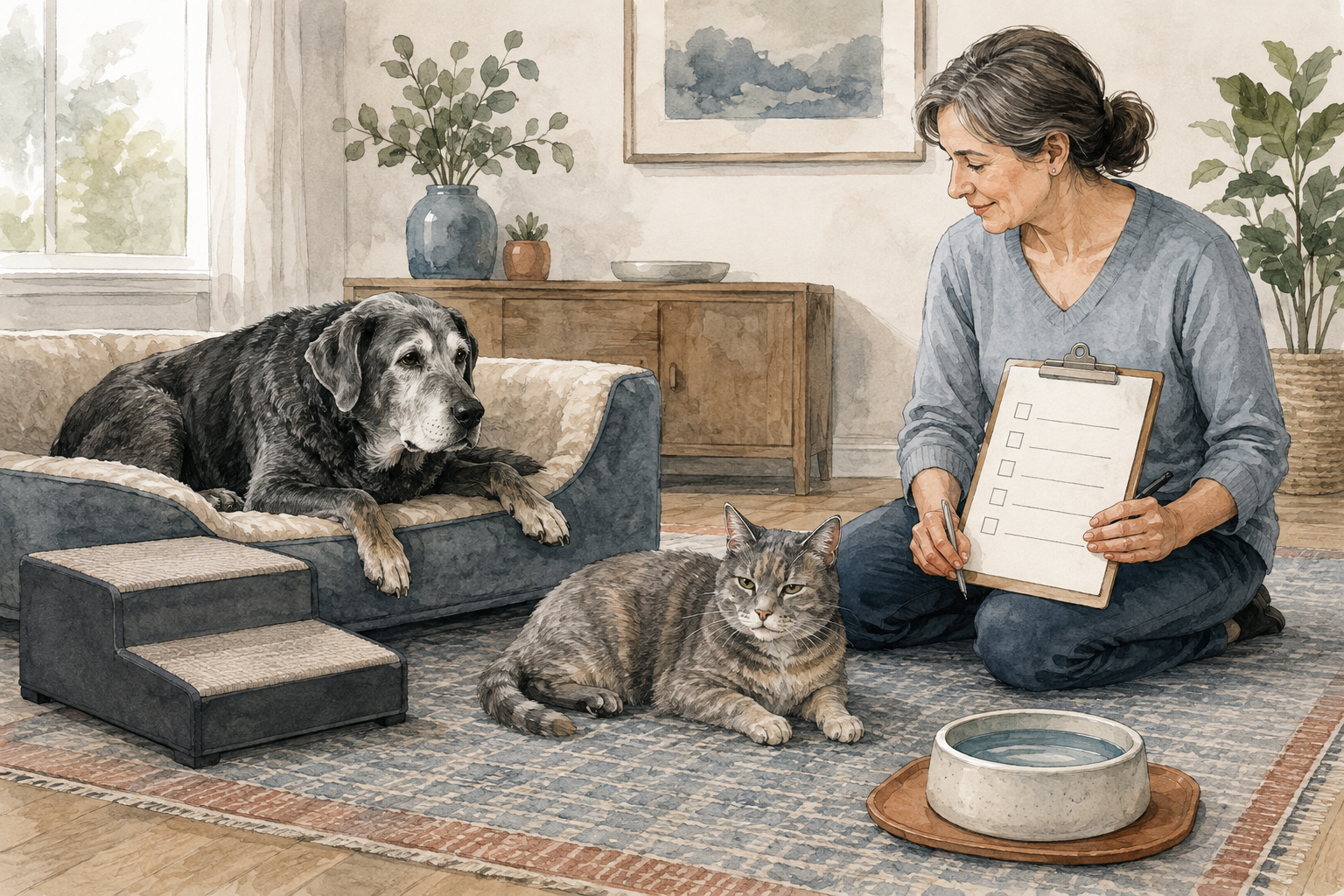
THE SHORT VERSION
Understanding supports better veterinary conversations.
Constipation causes difficult or infrequent stool passage; repeated severe episodes can stretch the colon and lead to megacolon. The same outward signs can occur with several diseases, so an examination and appropriately selected testing are important.
What is this condition?
Constipation causes difficult or infrequent stool passage; repeated severe episodes can stretch the colon and lead to megacolon. The same outward signs can occur with several diseases, so an examination and appropriately selected testing are important.
Which animals can be affected?
Risk factors, examination findings and management can differ between species and individual patients.
Why can it happen?
- Dehydration, pain, pelvic narrowing, neurologic disease or medication effects.
- Chronic loss of normal colon movement may become irreversible.
What might an owner notice?
- Repeated litter-box straining with small, hard or absent stool.
- Appetite loss, vomiting, abdominal discomfort or lethargy.
How is the problem investigated?
- Examination and abdominal radiographs.
- Bloodwork and other testing to assess dehydration, kidneys and contributing disease.
What might treatment involve?
- Fluids, stool removal and veterinarian-selected medication or nutrition changes.
- Surgery may be considered for severe, unmanageable megacolon.
This is an overview, not a prescription or a recommendation for a specific individual animal.
What can owners do at home?
- Write down when the problem began and track appetite, drinking, waste, activity, breathing and medication use.
- Bring clear photos or short videos when they can be taken without stressing the animal.
- Follow the veterinary team's instructions for medication, feeding, isolation, environmental changes and rechecks.
Avoid actions that could make care less safe.
- Do not use human medication, leftover antibiotics or another animal's treatment without veterinary direction.
- Do not force food or water into an animal that cannot swallow normally, is struggling to breathe or may have an obstruction.
- Do not delay veterinary care when pain, breathing, appetite, urination, movement or responsiveness changes quickly.
What can the longer-term outlook involve?
The outlook depends on the underlying cause, severity, species and how quickly effective care begins.
Can risk be reduced?
- Provide species-appropriate nutrition, housing, sanitation and routine veterinary care.
- Learn the animal's normal behavior, appetite, body condition and waste pattern so meaningful changes are noticed early.
When should you arrange care?
- Contact a veterinarian promptly for repeated litter-box straining with small, hard or absent stool. or appetite loss, vomiting, abdominal discomfort or lethargy..
- Arrange reassessment if signs return, worsen or do not improve as expected.
Seek emergency veterinary care if you notice:
SEEK EMERGENCY VETERINARY CARE- Repeated straining with no urine or stool, vomiting, marked pain, collapse or severe weakness.
Sources behind this guide
VeterinaryPartner — client education from the Veterinary Information NetworkPrimary veterinary or veterinary-university guidance ↗Cornell University College of Veterinary Medicine: animal health topicsPrimary veterinary or veterinary-university guidance ↗Content last reviewed: September 17, 2026. Review status: veterinary-informed; independent veterinarian review not yet completed.