Start with a guide
Use these resources to prepare questions, understand recommendations, and reinforce the plan discussed with your veterinary team.
VETERINARY-INFORMED EDUCATION FOR MANY SPECIES
Practical guidance for dogs, cats, rabbits, small mammals, birds, equines, reptiles, amphibians, poultry, aquatic animals, bees and livestock—designed to help you understand care and recognize when a veterinarian is needed.

WHAT IS COMPANION HEALTH LIBRARY?
Companion Health Library translates trusted veterinary and public-health information into useful, approachable guidance for animal owners and caregivers. Understand what you are seeing, why your veterinarian recommends a test or treatment, how to prepare for care and when an animal needs help.
Source-backed guidancePlain-language explanationsMany species—not only dogs and catsSTART WITH THE ANIMAL YOU CARE FOR
Find a dedicated starting point with species-specific wellness, nutrition, preventive care, health concerns and emergency guidance.

Canine wellness, feeding and prevention
Explore species →
Feline wellness, feeding and indoor care
Explore species →
Horses, donkeys and mules
Explore species →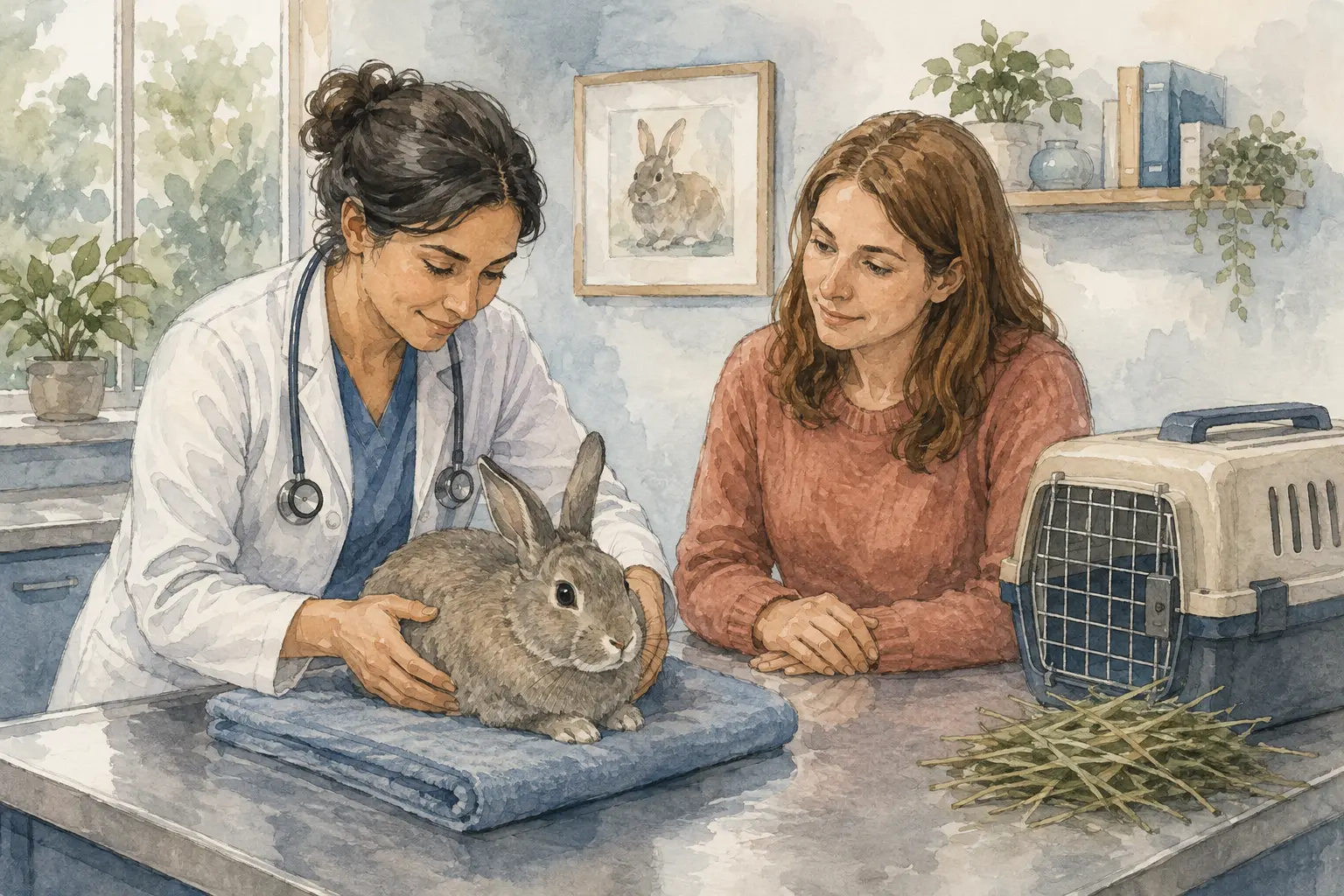
Feeding, teeth, housing and emergencies
Explore species →
Guinea pigs, ferrets, rodents and more
Explore species →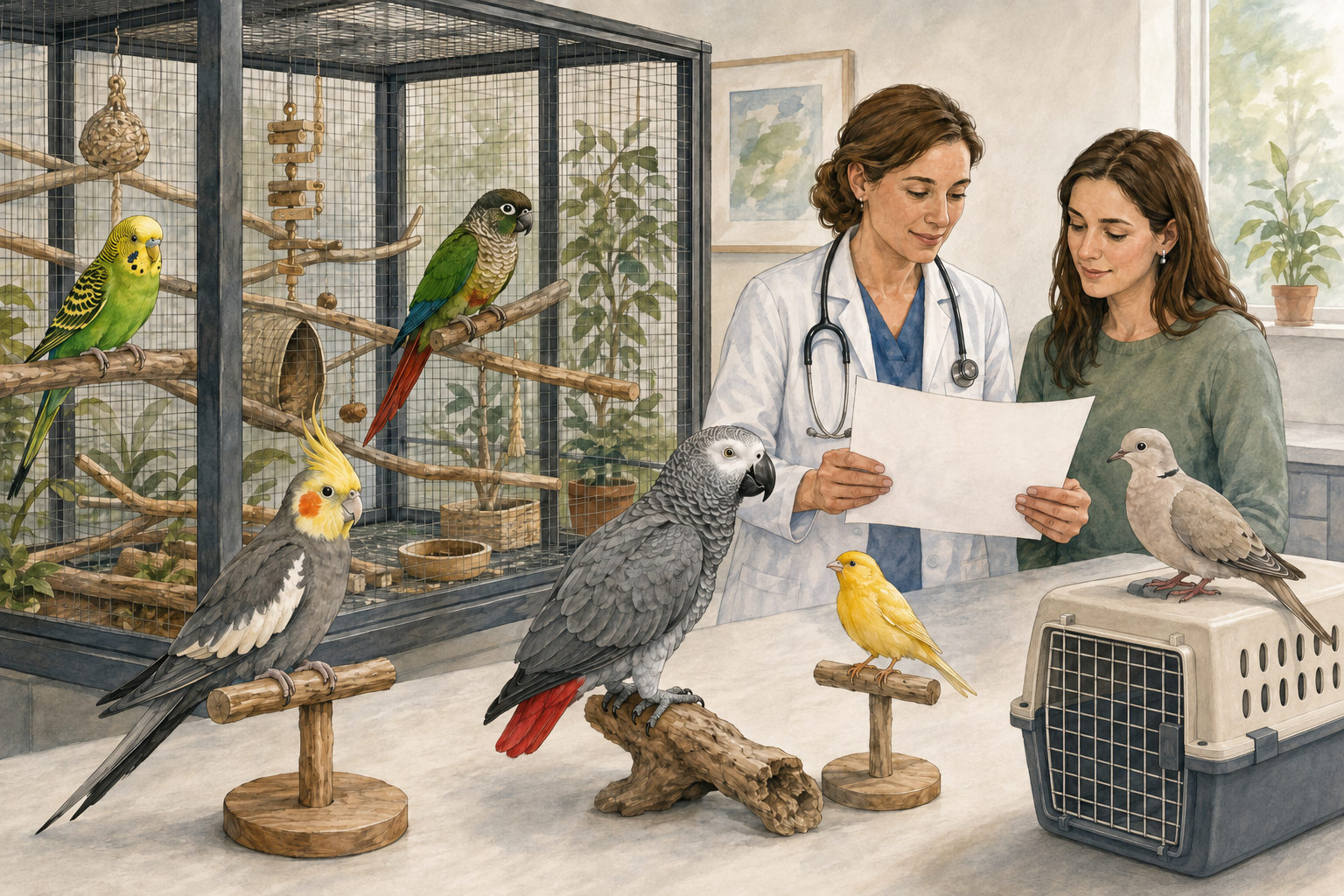
Parrots, finches, canaries and doves
Explore species →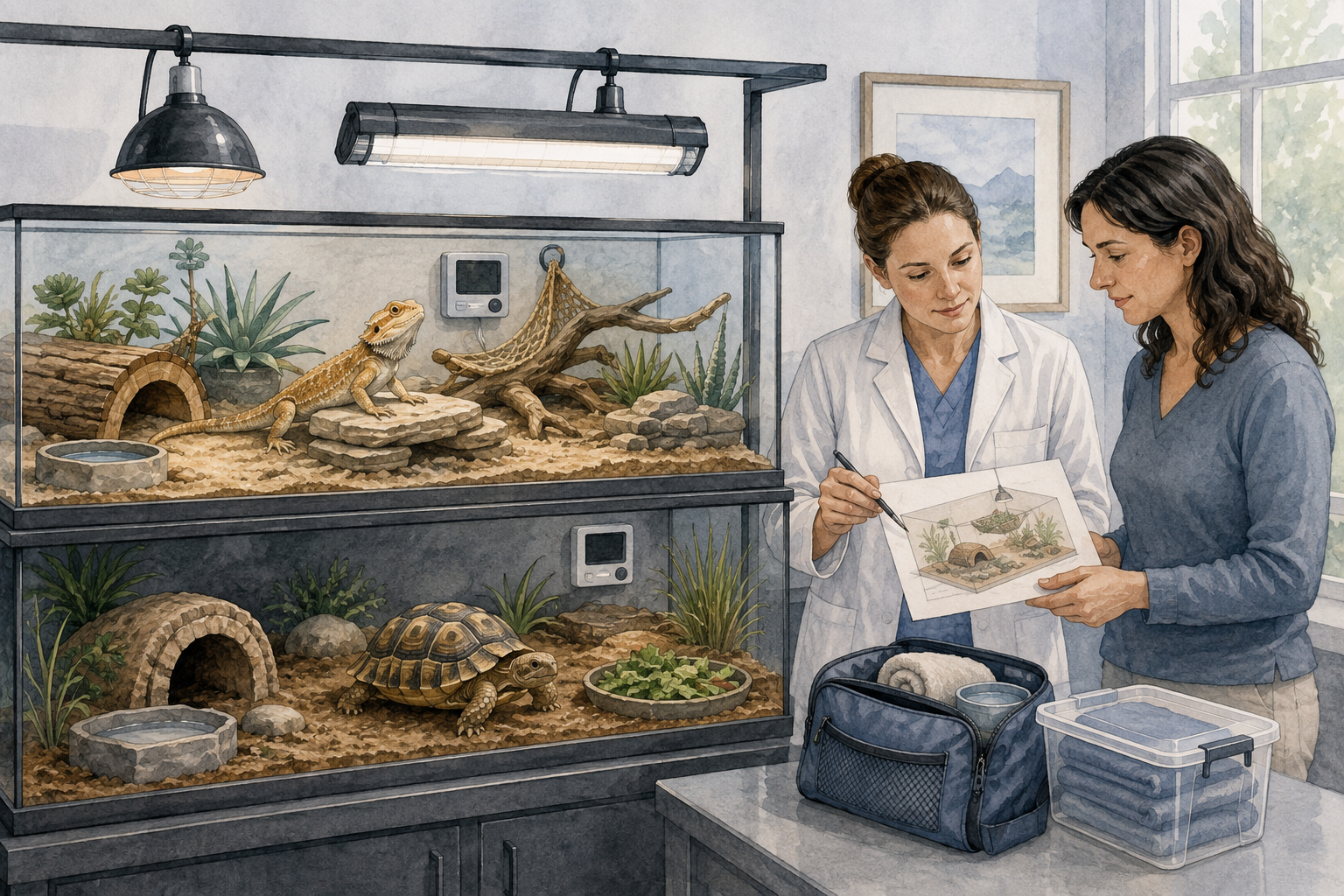
Lizards, snakes, turtles and amphibians
Explore species →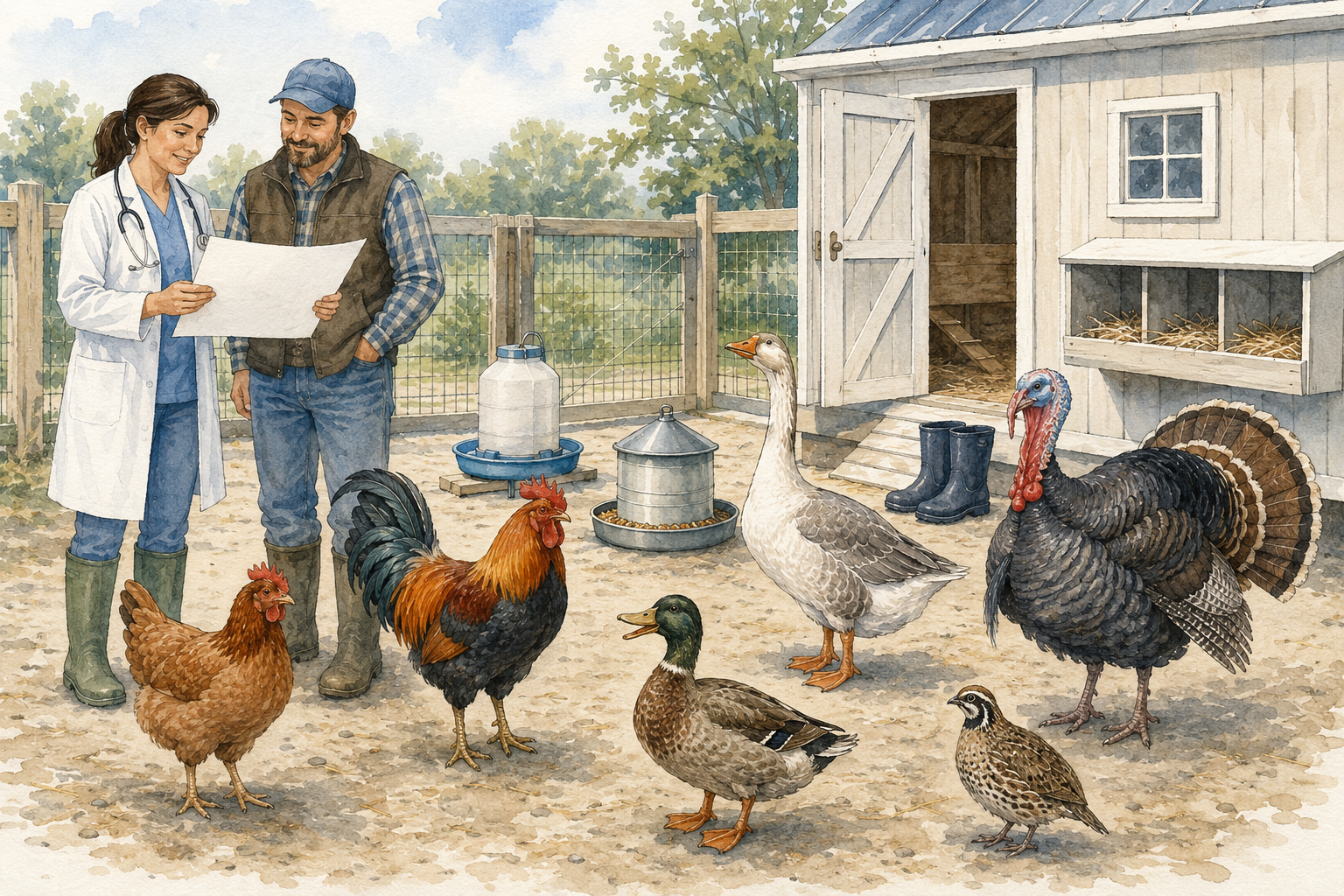
Chickens, ducks, geese, turkeys and quail
Explore species →
Ornamental fish, aquariums and ponds
Explore species →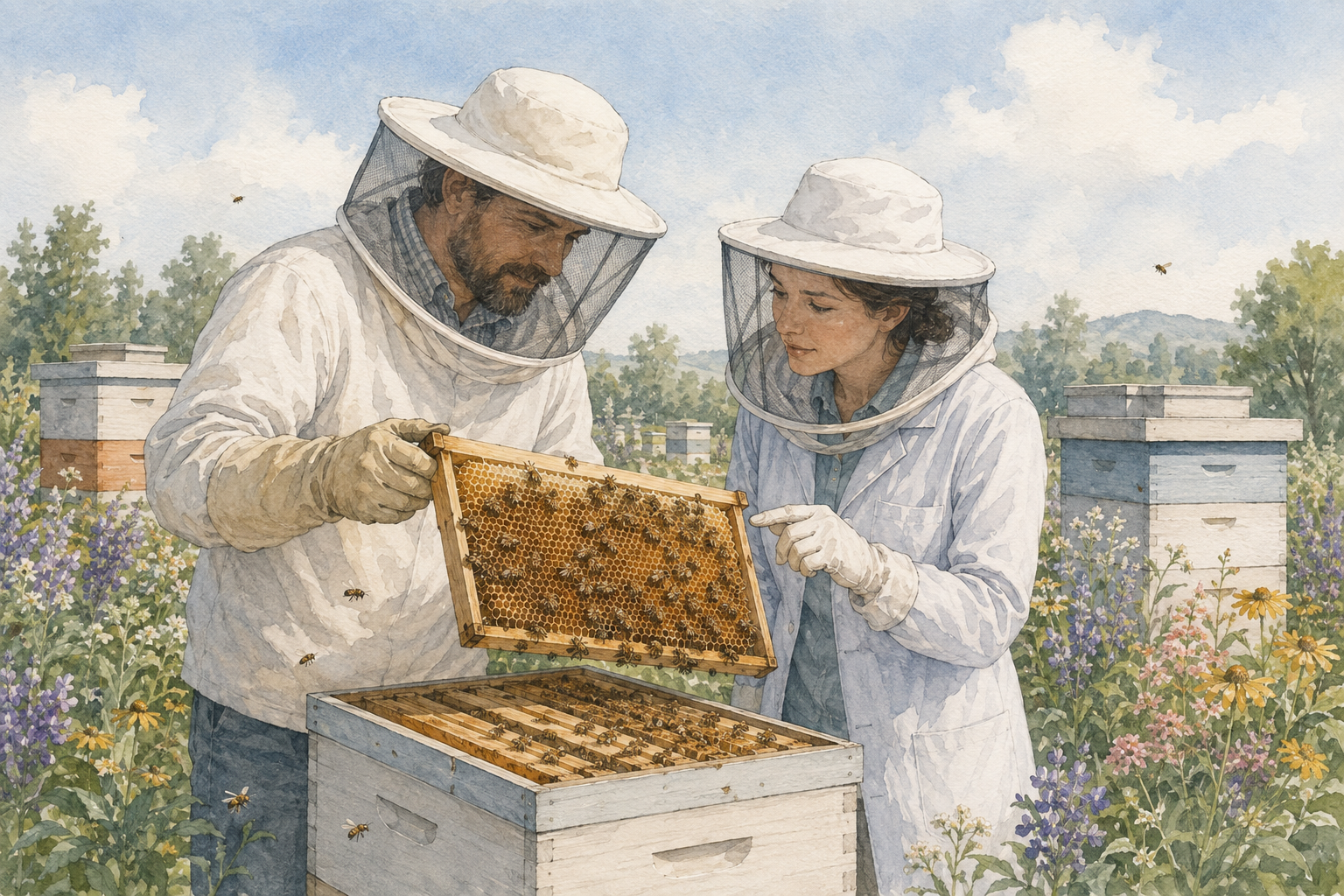
Colony health, nutrition and apiary care
Explore species →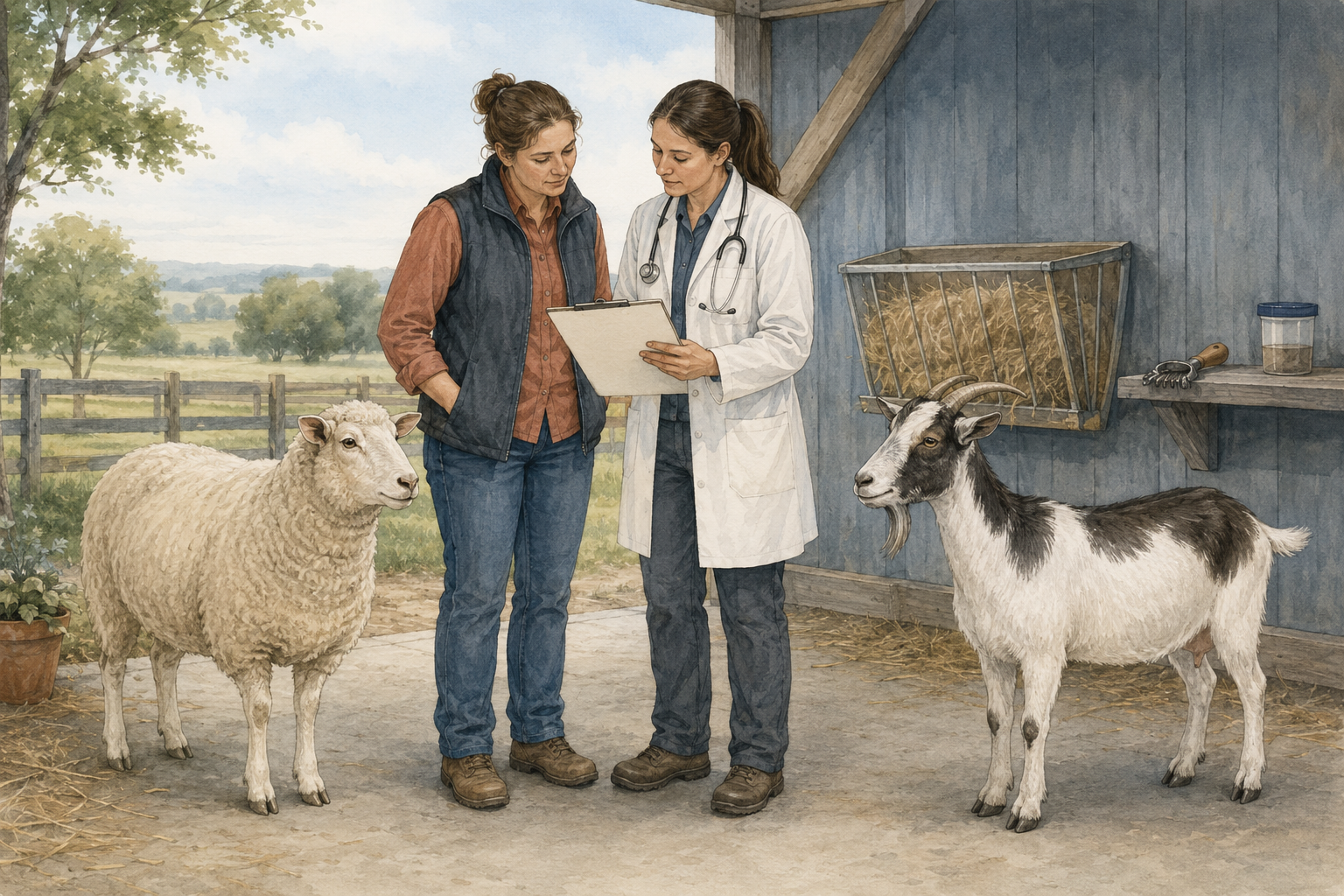
Sheep, goats, cattle, pigs, llamas and alpacas
Explore species →THE MOST USEFUL PLACES TO START
Choose the question or concern that brought you here, then use the information to prepare for a conversation with your veterinary team.
Search nearby general practices, veterinary urgent care, emergency hospitals and specialty services.
Find veterinary care nearby →URGENT CARERecognize trouble breathing, collapse, seizures, poisoning and other signs that cannot wait.
Review emergency signs →INTERACTIVE COMPARISONCompare flea, tick, heartworm and intestinal-parasite coverage without guessing which product is best.
Compare preventive products →SYMPTOM NAVIGATORStart with vomiting, limping, appetite loss, urinary changes and other concerning symptoms.
Explore symptoms →INTERACTIVE PARASITE LIBRARYExplore appearance, life cycles, affected animals, prevention and human-health relevance.
Browse the parasite library →SPECIES-SPECIFIC FEEDINGUnderstand everyday nutrition, common feeding mistakes, water needs and when to call.
Find a nutrition guide →VETERINARY TESTINGLearn why veterinarians recommend bloodwork, urine tests, fecal testing and imaging.
Explore common tests →IMPORTANT VETERINARY-INFORMATION DISCLAIMER
Companion Health Library provides general educational information—not a diagnosis, individual treatment plan, prescription or emergency veterinary assessment. Recommendations depend on the animal’s species, age, medical history, living conditions and examination findings.
If an animal has difficulty breathing, collapses, cannot urinate, has repeated seizures, severe bleeding or a possible poisoning, contact a veterinarian or emergency veterinary hospital immediately.
Read our editorial standards and medical-review policy →SEARCH THE LIBRARY
Search by question, symptom, species, diagnostic test or type of care.
245 guides
Refine your search to narrow the results.
HEALTH LIBRARY
More topics will be added as the library grows.
Search by ZIP code or current location and distinguish general practice, urgent care, emergency animal hospitals and veterinary specialty services.
Start with vomiting, diarrhea, not eating, breathing trouble, urinary changes or another symptom. Select the animal and see what to observe, what to avoid and when to seek urgent care.
Compare major flea, tick, heartworm, and intestinal-parasite products for dogs and cats by coverage, route, and frequency.
Explore fleas, ticks, mites, lice, flies, intestinal worms, heartworms, Giardia, coccidia and other parasites by animal species, appearance, transmission and human-health risk.
Choose species-specific feeding guidance for dogs, cats, rabbits, guinea pigs, ferrets, birds, reptiles, domestic equines, livestock and ornamental fish.
Understand transmission, signs, prevention, annual antigen and microfilaria testing, missed doses, diagnosis, and treatment.
Learn why indoor cats remain at risk, how feline disease differs, what heartworm-associated respiratory disease (HARD) means, why diagnosis is difficult, and why prevention is essential.
Recognize signs that require immediate veterinary care, know what can wait for a same-day call, and respond safely while arranging help.
Give medicines accurately, recognize controlled-drug labels, prevent accidental exposure, store prescriptions securely, and respond to mistakes.
Recognize common toxic foods, plants, medications, chemicals, and outdoor hazards—and know what to do immediately after a possible exposure.
Select an animal, vaccine and U.S. state to understand core, risk-based and locality-sensitive guidance plus reaction warning signs.
Understand core and lifestyle-based vaccines, puppy and kitten schedules, indoor-pet risk, and what to watch for after vaccination.
Explore rabbit-specific guidance on preventive care, nutrition, gastrointestinal stasis, dental disease, safe housing, surgery, and emergencies.
Understand wellness bloodwork, urinalysis, fecal and infectious-disease tests, blood pressure, and the role and limits of proactive radiographs.
Compare species-specific nutrition, housing, preventive care and emergencies in guinea pigs, ferrets, hedgehogs, hamsters, gerbils and sugar gliders.
Identify common companion-bird groups and understand species-aware nutrition, housing, behavior, preventive care and emergency signs.
Build species-aware plans for horses, donkeys, and mules—including examinations, vaccines, parasite control, dentistry, nutrition, hoof care, testing, and emergencies.
Understand water quality, the nitrogen cycle, filtration, nutrition, quarantine, routine monitoring, veterinary care, and urgent warning signs in ornamental fish.
Build species-appropriate habitats, understand nutrition and water quality, prevent burns, and recognize urgent warning signs.
Recognize healthy brood and adults, monitor Varroa mites, identify concerning colony patterns, and know when to seek expert help.
Explore species-aware preventive care, nutrition, parasite monitoring, biosecurity and emergencies in small ruminants, camelids, cattle and swine.
Recognize meaningful changes, understand senior screening, support mobility and cognition, and make the home easier to navigate.
Learn why disease hides below the gumline, what dental radiographs reveal, and which home-care habits actually help.
Look beyond marketing claims to understand portions, body condition, muscle, treats and home-prepared diet safety.
Recognize subtle pain, track meaningful daily changes, and build compassionate goals of care with your veterinary team.
HOW TO USE THIS LIBRARY
Use these resources to prepare questions, understand recommendations, and reinforce the plan discussed with your veterinary team.
Age, lifestyle, geography, medical history, examination findings, and current medications can change what is appropriate.
If your pet is ill, has missed medication, or you are worried about a symptom, contact your veterinarian rather than relying on general information.
LIBRARY ROADMAP
NEED PERSONAL GUIDANCE?
Your veterinarian can help turn general information into the right plan for your individual pet.