RABBIT HEALTH · PREVENTIVE CARE · REVIEWED AUGUST 16, 2026

Rabbit wellness &
preventive care.

How to choose a rabbit-experienced veterinarian, prepare for routine visits, monitor health at home, and reduce preventable risks.
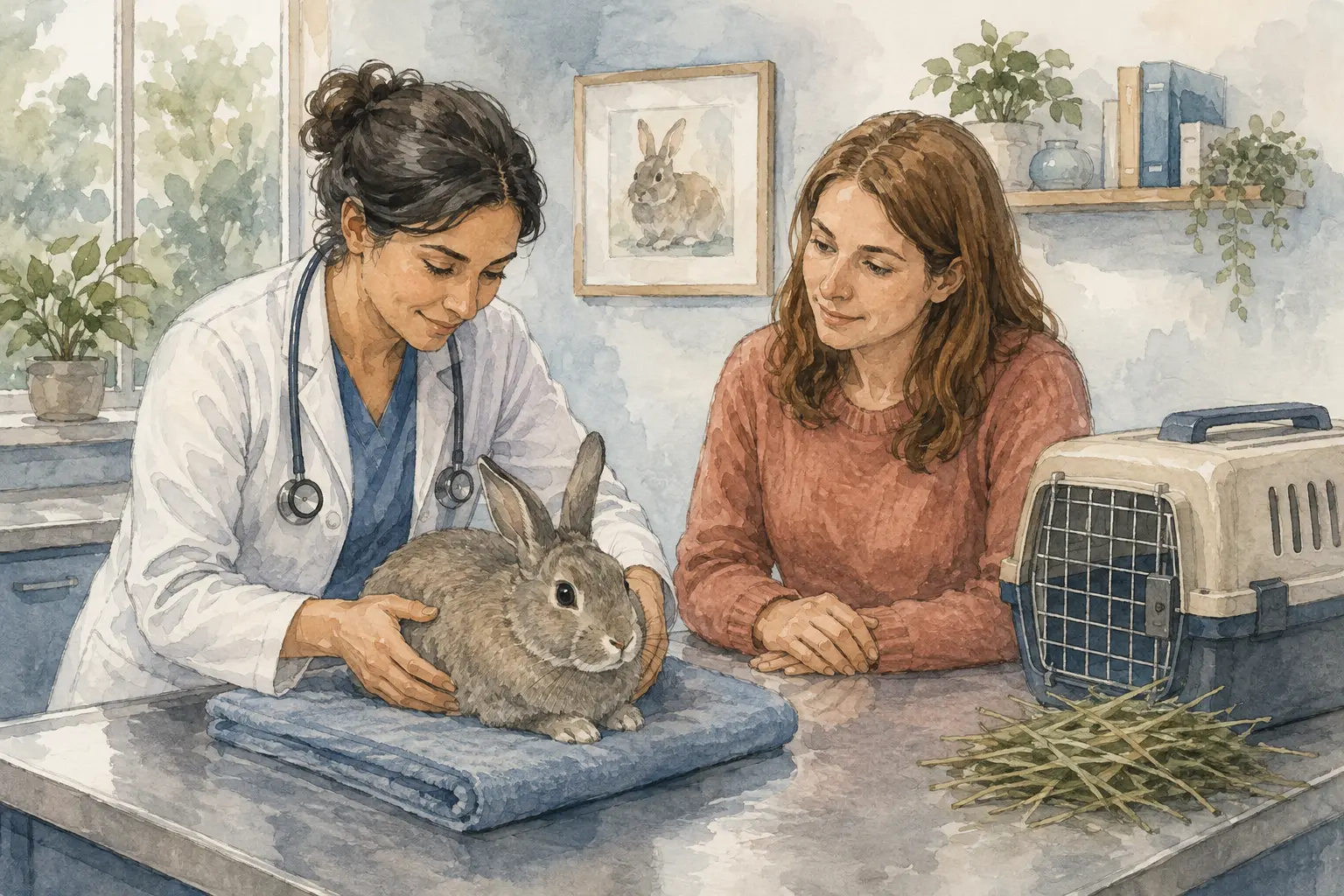
Veterinarian gently examining a calm rabbit while a caregiver observes
Original illustration created for Companion Health Library.

RABBITS ARE NOT SMALL DOGS OR CATS

Species-specific care changes outcomes.

Rabbit anatomy, digestion, medication safety, handling, dentistry, and anesthesia differ substantially from those of dogs and cats. Establish care with a veterinarian who routinely treats rabbits before an emergency occurs.

Dailyappetite and droppings checkYearlyminimum wellness reviewReadycarrier and emergency plan

What a rabbit-focused examination reviews

  • Body weight and body condition
  • Incisors plus signs of hidden cheek-tooth disease
  • Eyes, ears, nose, skin, feet and coat
  • Heart, lungs, abdomen, hydration and movement
  • Diet, hay intake, water, droppings, housing and behavior
  • Parasite, reproductive and vaccination risks based on location and lifestyle
Important: Ask in advance whether the practice routinely sees rabbits and where to go after hours. Not every emergency hospital treats them.

Know what normal looks like for this rabbit

  • Normal appetite, especially enthusiasm for hay
  • Typical number, size and shape of fecal pellets
  • Normal urine appearance and litter habits
  • Usual posture, activity, grooming and social behavior
  • Comfort chewing, swallowing and moving
Important: A rabbit that stops eating or producing normal droppings can deteriorate quickly. Do not wait for a routine appointment.

Build health into the environment

Fiber-first diet

Unlimited appropriate grass hay supports intestinal movement, dental wear and natural foraging.

Safe movement

Provide daily exercise on nonslip flooring, hiding places, chew-safe enrichment and protection from falls, cords, toxins and predators.

Regional disease planning

Rabbit hemorrhagic disease vaccination availability and recommendations vary. Ask a rabbit veterinarian about local disease activity, legal requirements and biosecurity.

Keep a rabbit health file

  • Veterinarian and after-hours rabbit emergency contacts
  • Baseline weight and current diet
  • Medication names and exact doses
  • Vaccination and laboratory records when applicable
  • Carrier, towel, familiar hay and a transport plan

Sources behind this guide

University of California, Davis School of Veterinary MedicineRabbit care, housing, dental and preventive guidanceMerck Veterinary ManualNutrition and the importance of dietary fiberMerck Veterinary ManualCommon disorders and diseases of rabbitsHouse Rabbit SocietyCompanion-rabbit care and welfare resourcesUniversity of California, Davis School of Veterinary MedicineRabbit hemorrhagic disease and biosecurity

Source links are provided so readers can review the underlying guidance. Publication dates and recommendations can change; confirm individual plans with the treating veterinary team.

CONTINUE EXPLORING

Use these connected guides to prepare informed questions for your veterinary team.

Interactive Symptom NavigatorStart with what you notice and understand when to seek help.Read resource →Diagnostic Testing LibraryUnderstand the tests your veterinarian may recommend.Read resource →Find Veterinary Care Near YouLocate general practices, urgent-care clinics, emergency hospitals and specialists.Read resource →When It Is an EmergencyRecognize signs that require immediate veterinary care.Read resource →Printable Owner ToolkitBring observations, medication details and questions to your appointment.Read resource →