IMAGING
Ultrasound
Sound-wave imaging used to examine soft tissues, abdominal organs, fluid and other structures that may not be well characterized on radiographs.
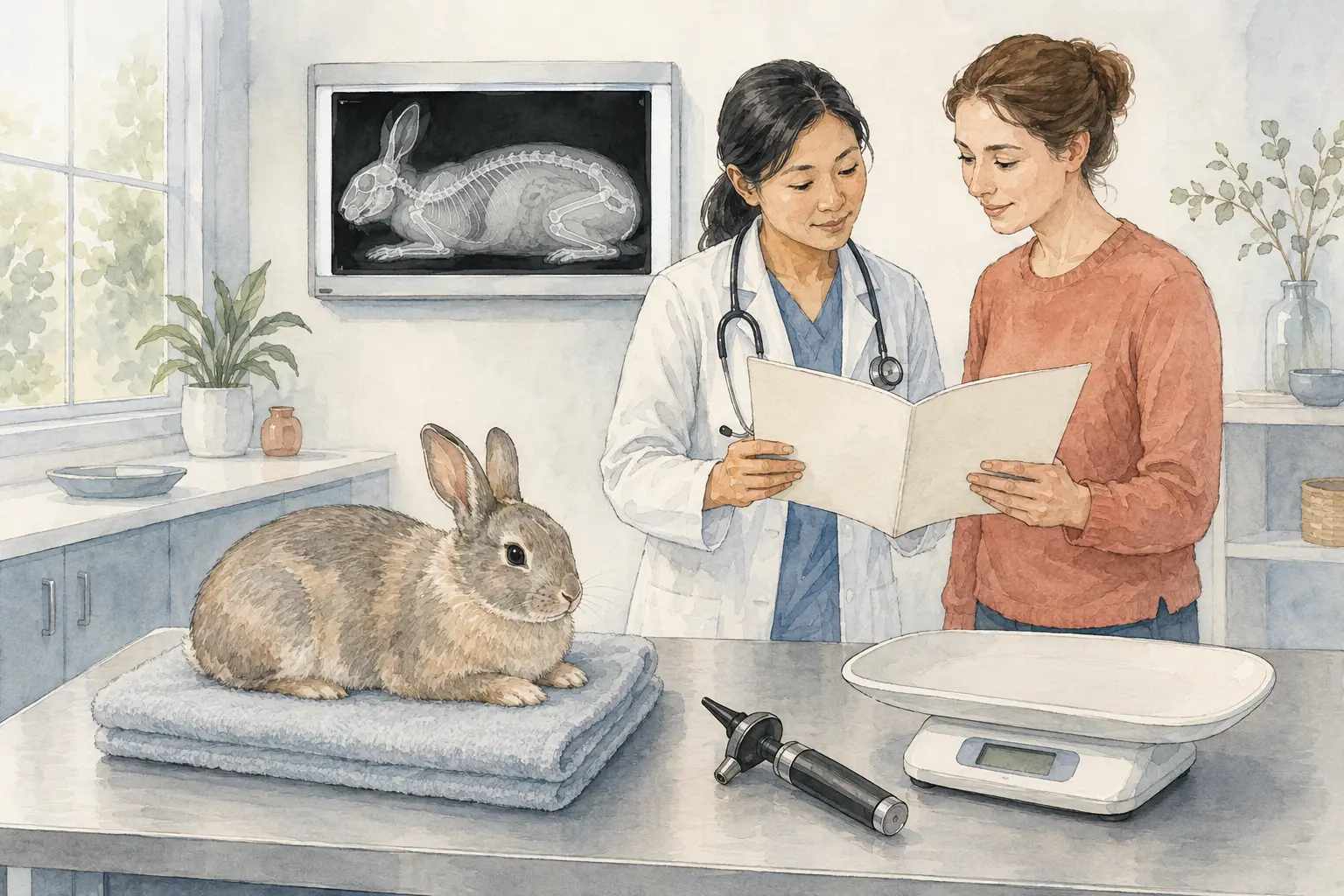
THE SHORT VERSION
Testing helps answer a clinical question.
Ultrasound uses high-frequency sound waves rather than X-rays. It can help evaluate organ architecture, fluid, selected masses and other internal changes in real time.
What is this test?
Ultrasound uses high-frequency sound waves rather than X-rays. It can help evaluate organ architecture, fluid, selected masses and other internal changes in real time.
What information can it provide?
- Abdominal ultrasound can assess organs such as the liver, spleen, kidneys, bladder and intestinal tract.
- Ultrasound can identify fluid and help guide certain needle samples when appropriate.
- Pregnancy or focused emergency evaluations may use ultrasound for particular clinical questions.
- Echocardiography is a specialized heart ultrasound and is discussed separately.
When might your veterinarian recommend it?
- Investigate abnormal bloodwork, abdominal pain, vomiting, urinary concerns or an unexpected radiograph finding.
- Evaluate soft-tissue structures, organ shape or possible fluid.
- Guide selected sample collection or follow-up of a known abnormality.
What can owners do before the visit?
- Ask whether fasting is recommended for the examination.
- Shaving and ultrasound gel may be needed to obtain clear images.
- Sedation depends on comfort, movement and the location being examined.
What can this test not tell you by itself?
- Gas, body shape, movement and operator experience can affect image quality.
- Ultrasound does not replace every radiograph, tissue sample or laboratory test.
- Some visible abnormalities require biopsy or additional testing for identification.
Do not change medication, interpret an abnormal number as a diagnosis or delay urgent treatment without direction from your veterinary team.
Useful questions for your appointment
- Which organ or concern is this ultrasound intended to evaluate?
- Does my animal need fasting, shaving or sedation?
- Will the result change treatment or indicate whether a tissue sample is needed?