← Back to symptom navigator

SYMPTOM → WHAT DO I DO?

Abnormal stool or droppings

Changes in color, frequency, shape, mucus, blood or quantity can provide useful clues.

CALL YOUR VETERINARIAN PROMPTLY
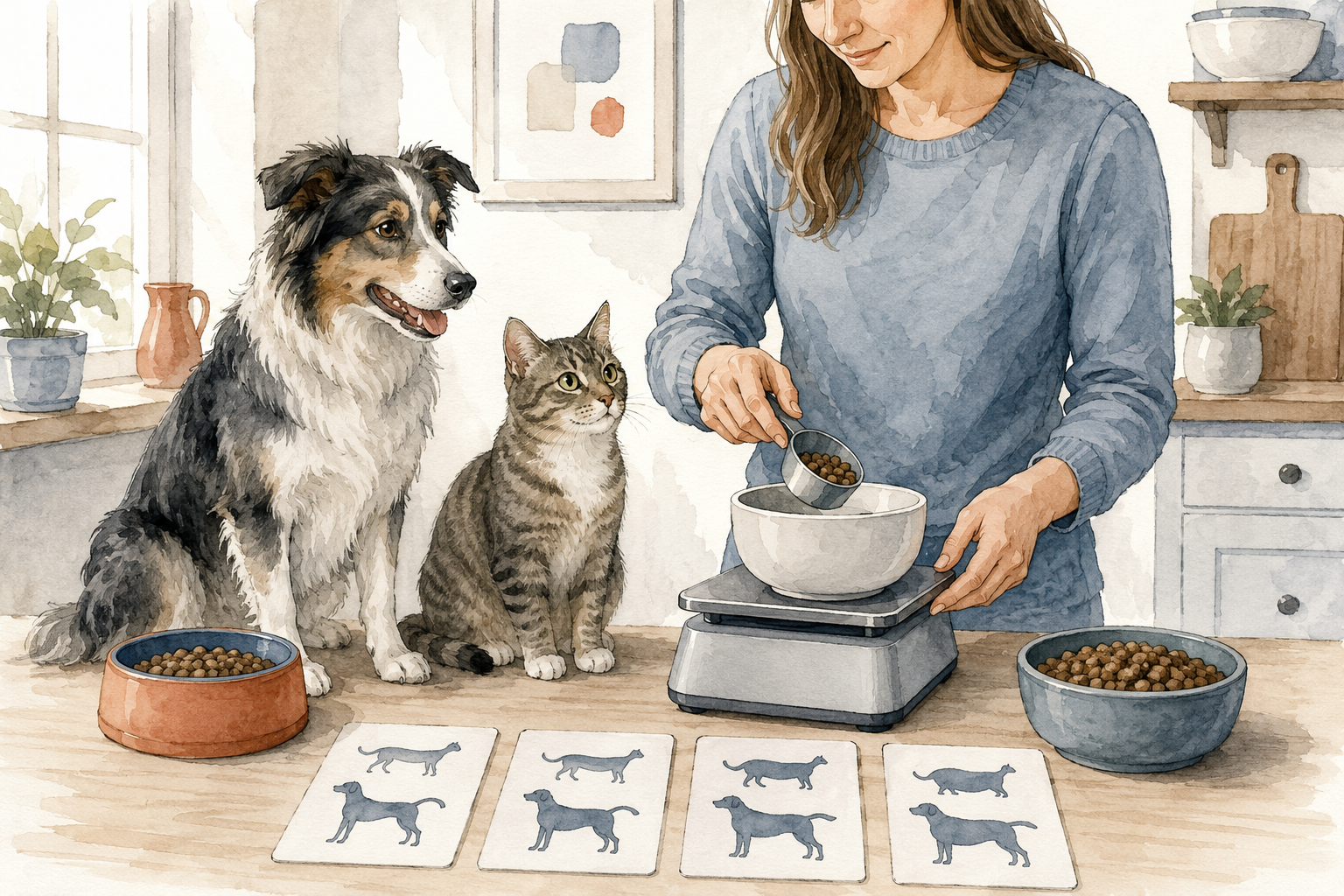
Illustration of companion animals and healthy nutrition
OWNER VISUAL GUIDEAppetite, digestive and weight changes should be considered in the context of the whole animal. This educational illustration is not a diagnostic image.

READ THIS FIRST

Observations can help your veterinarian. They cannot rule out an emergency.

Contact an emergency veterinary facility immediately for difficult breathing, collapse, ongoing seizures, inability to urinate, major bleeding, abnormal gum color, sudden severe abdominal swelling or rapidly worsening weakness.

01 · POSSIBLE CAUSES

What could be behind this symptom?

These are possibilities, not a diagnosis. The right explanation depends on the examination, species and medical history.

  • Diet change, intestinal parasites, inflammation or infection.
  • Constipation, obstruction, dehydration or gastrointestinal motility problems.
  • Species-specific husbandry, medication or environmental issues.
02 · WHAT YOU CAN OBSERVE

What can you safely check at home?

Write down what you see and bring photographs or video only when doing so does not delay care.

  • Color, consistency, mucus, visible blood and how often stool is produced.
  • Appetite, water intake, vomiting, abdominal comfort and straining.
  • Whether other animals are affected and whether a fresh sample can be collected safely.
03 · WHAT NOT TO DO

Avoid actions that can make things worse.

  • Do not give human laxatives, enemas or antidiarrheal medication without veterinary advice.
  • Do not pull string or material protruding from the rectum.
  • Do not ignore absent droppings in rabbits or other small herbivores.
04 · WHEN TO CALL

When should you contact your veterinarian?

  • Call promptly for persistent changes, straining, mucus, constipation or recurring loose stool.
  • Ask how the clinic wants a fresh fecal sample collected and stored.
05 · WHEN IT IS AN EMERGENCY

Get emergency help immediately if you see:

  • Black tarry stool, substantial blood, severe pain, collapse or repeated vomiting.
  • Few or no droppings with appetite loss, abdominal swelling or weakness in a rabbit or guinea pig.
Open the emergency action guide →
06 · SPECIES-SPECIFIC CONCERNS

The same symptom can mean different things in different animals.

Rabbits & small mammals

Smaller, fewer or absent fecal pellets can signal urgent gastrointestinal disease.

Birds

Photograph the entire dropping; fecal matter, urates and urine are separate components.

Aquatic animals

Abnormal feces alongside appetite loss or water-quality changes warrants aquatic-veterinary guidance.

Related Resources

Fecal testingFecal sample instructionsRabbit gastrointestinal stasisDiagnostic testing libraryWhen it is an emergency
TRUSTED SOURCES

Sources behind this guidance

American Veterinary Medical AssociationFirst aid tips for pet owners and limits of home careMerck Veterinary ManualVeterinary professional and pet-owner disease referencesMerck Veterinary Manual: urinary obstructionWhy urinary blockage in cats requires immediate veterinary attention

These educational resources support a conversation with your veterinary team. They do not replace examination, diagnosis or species-specific emergency care.