← Back to symptom navigator

SYMPTOM → WHAT DO I DO?

Ear problems

Look for head shaking, odor, discharge, pain and changes in balance.

CALL YOUR VETERINARIAN PROMPTLY
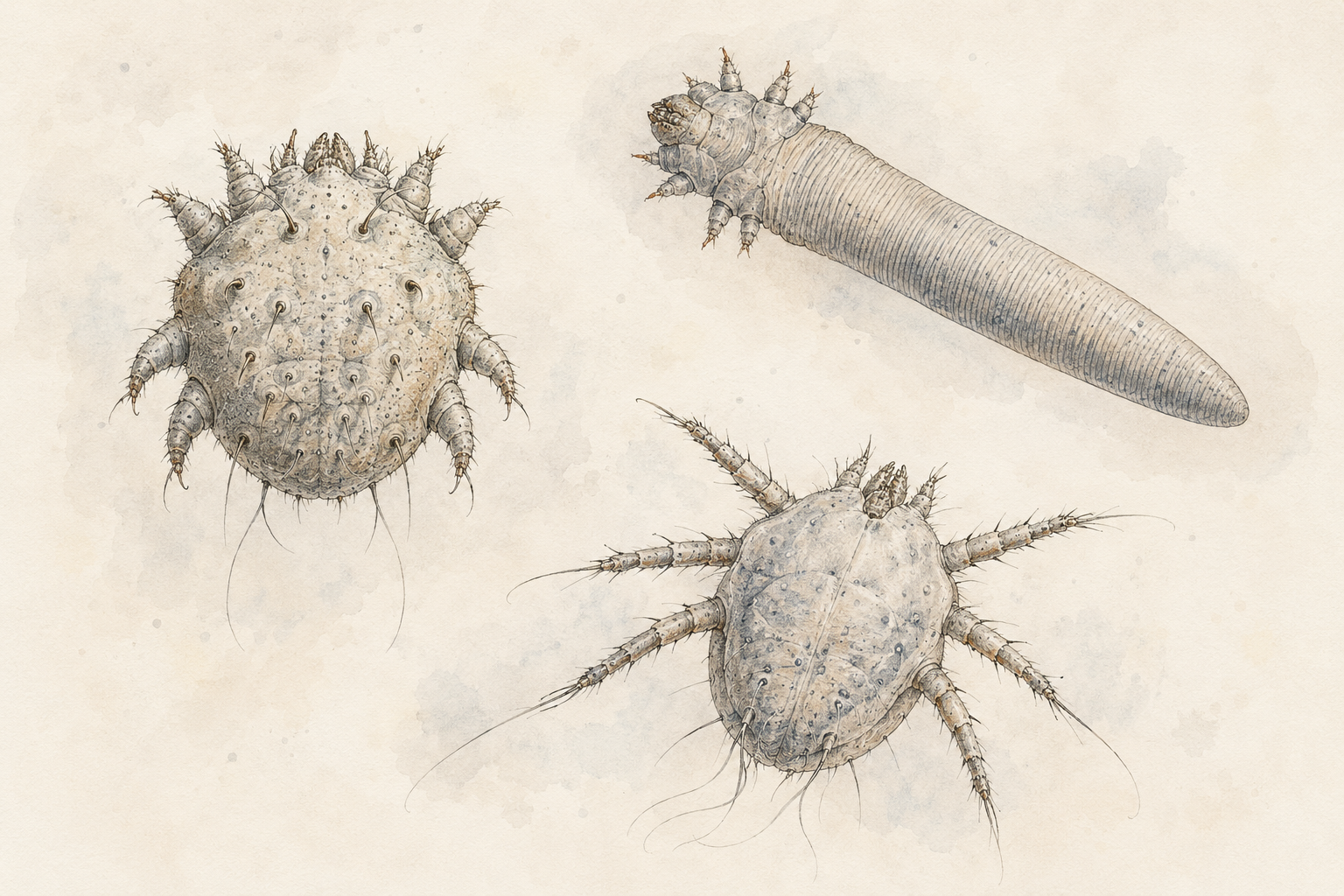
Illustration of a dog and cat with a magnified skin parasite
OWNER VISUAL GUIDESkin and ear signs can have several causes; appearance alone cannot identify the problem. This educational illustration is not a diagnostic image.

READ THIS FIRST

Observations can help your veterinarian. They cannot rule out an emergency.

Contact an emergency veterinary facility immediately for difficult breathing, collapse, ongoing seizures, inability to urinate, major bleeding, abnormal gum color, sudden severe abdominal swelling or rapidly worsening weakness.

01 · POSSIBLE CAUSES

What could be behind this symptom?

These are possibilities, not a diagnosis. The right explanation depends on the examination, species and medical history.

  • Yeast or bacterial ear infection
  • Ear mites, foreign material or allergies
  • Inflammation, a ruptured eardrum or a deeper ear infection
  • Aural hematoma or neurologic disease affecting balance
02 · WHAT YOU CAN OBSERVE

What can you safely check at home?

Write down what you see and bring photographs or video only when doing so does not delay care.

  • Which ear is affected and whether there is odor, wax, blood or discharge
  • Head shaking, scratching, head tilt or reluctance to be touched
  • Loss of balance, eye flicking or facial changes
  • Recent swimming, grooming, allergies or recurrent infections
03 · WHAT NOT TO DO

Avoid actions that can make things worse.

  • Do not put peroxide, alcohol, oils or cotton swabs deep in the ear.
  • Do not use old prescription drops when the eardrum has not been examined.
  • Do not clean a severely painful ear aggressively.
  • Do not treat one species with medication labeled for another.
04 · WHEN TO CALL

When should you contact your veterinarian?

  • Call for redness, odor, repeated shaking, discharge or recurrent ear symptoms.
  • Mention previous infections, allergies and any treatment already used.
  • Ask whether an examination and ear cytology are needed before medication.
05 · WHEN IT IS AN EMERGENCY

Get emergency help immediately if you see:

  • Sudden severe head tilt, inability to stand or rapid involuntary eye movements
  • A rapidly swollen ear flap, uncontrolled bleeding or severe trauma
  • Ear signs combined with collapse, neurologic changes or significant pain
Open the emergency action guide →
06 · SPECIES-SPECIFIC CONCERNS

The same symptom can mean different things in different animals.

Rabbits & small mammals

A head tilt may indicate middle-ear disease or neurologic illness and should be assessed promptly.

Cats

Ear mites are one possibility, but dark debris can also accompany infection; treatment should follow examination.

Related Resources

Mites in Dogs & CatsExternal ear inflammationHead shakingCytologyDiagnostic testing libraryWhen it is an emergency
TRUSTED SOURCES

Sources behind this guidance

American Veterinary Medical AssociationFirst aid tips for pet owners and limits of home careMerck Veterinary ManualVeterinary professional and pet-owner disease referencesMerck Veterinary Manual: urinary obstructionWhy urinary blockage in cats requires immediate veterinary attention

These educational resources support a conversation with your veterinary team. They do not replace examination, diagnosis or species-specific emergency care.