DOGS AND CATS · OWNER EDUCATION
Otitis Externa: Outer Ear Inflammation
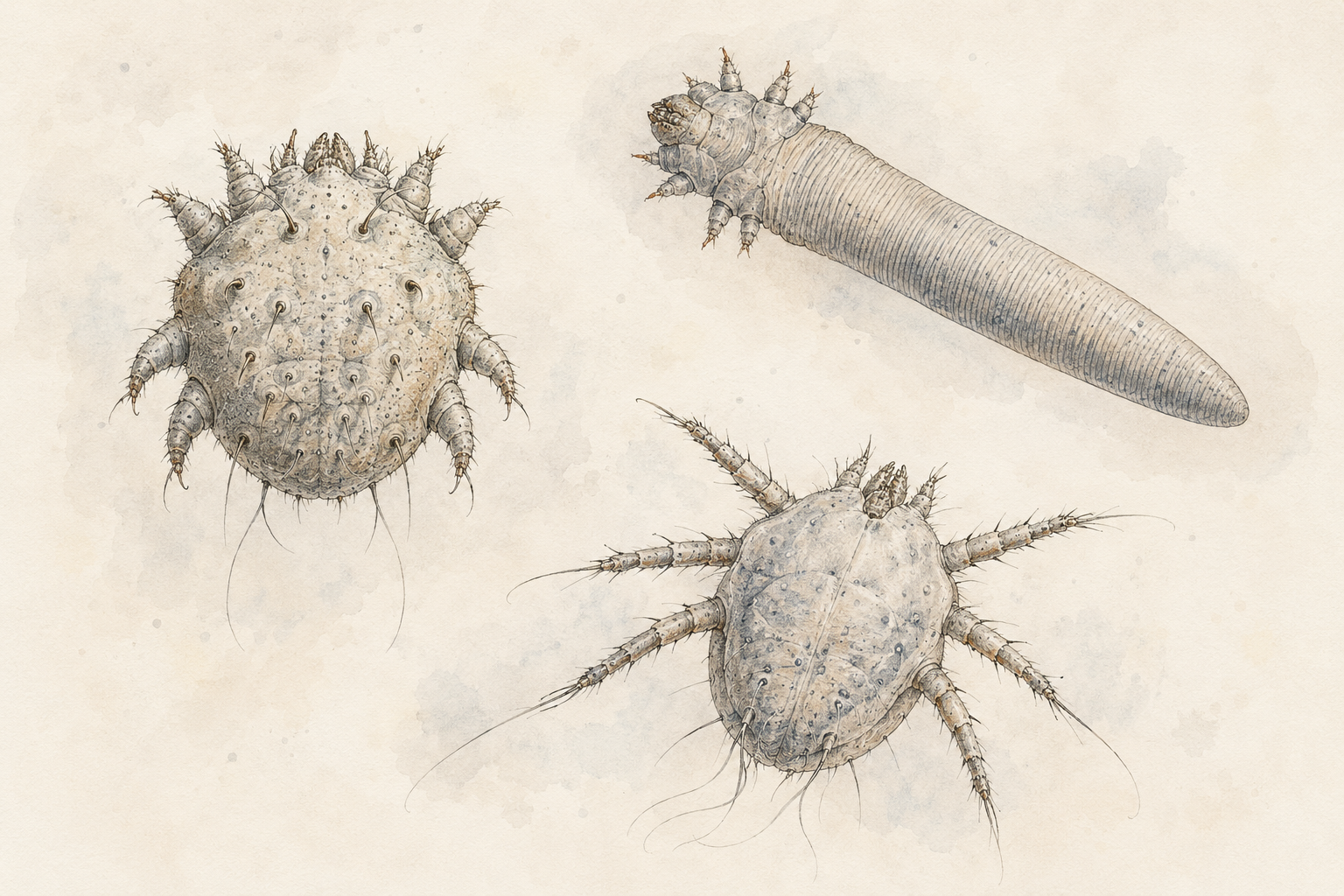
Inflammation of the outer ear canal may involve allergy, yeast, bacteria, mites, moisture, foreign material or an underlying structural issue.
THE SHORT VERSION
Understanding supports better veterinary conversations.
Otitis externa means inflammation of the outer ear canal. The discharge color or odor alone cannot reliably identify the cause, and repeated ear disease often requires investigation beyond a single medication.
What is this condition?
Otitis externa means inflammation of the outer ear canal. The discharge color or odor alone cannot reliably identify the cause, and repeated ear disease often requires investigation beyond a single medication.
Which animals can be affected?
Risk factors, examination findings and management can differ between species and individual patients.
Why can it happen?
- Environmental or food-associated allergy, parasites or skin disease.
- Secondary yeast or bacterial overgrowth.
- Moisture, foreign material, ear-canal anatomy or a growth.
What might an owner notice?
- Head shaking, scratching, ear odor, discharge or redness.
- Pain during handling, head tilt or reduced willingness to chew.
- Recurring symptoms after apparently successful treatment.
How is the problem investigated?
- Ear examination and assessment of whether the eardrum can be evaluated safely.
- Ear cytology to assess cells, bacteria and yeast.
- Culture, imaging or specialist evaluation when disease is persistent, severe or complicated.
What might treatment involve?
- Veterinarian-selected cleaning and medication matched to findings and eardrum status.
- Pain management and treatment of underlying allergy, parasites or foreign material.
- Follow-up examination to confirm the problem has resolved.
This is an overview, not a prescription or a recommendation for a specific individual animal.
What can owners do at home?
- Use only the cleaning method and medication prescribed for the current problem.
- Record odor, discharge, pain and head-shaking changes.
- Keep scheduled rechecks even if the visible discharge improves.
Avoid actions that could make care less safe.
- Do not use cotton swabs deep in the ear, peroxide, oils or old ear medications.
- Do not clean a severely painful ear or one with possible eardrum injury without veterinary advice.
- Do not give human medications, leftover prescriptions or supplements without veterinary approval.
- Do not stop, increase, decrease or double prescribed medication without contacting your veterinary team.
- Do not delay assessment if symptoms are worsening, the animal stops eating or an emergency sign appears.
What can the longer-term outlook involve?
Many cases improve with targeted treatment, but chronic or repeated ear inflammation may need long-term investigation and management.
Can risk be reduced?
- Address underlying allergy and use veterinarian-guided ear care.
- Manage moisture and parasite prevention when appropriate.
When should you arrange care?
- Call for persistent head shaking, ear pain, discharge, odor or repeated flares.
Seek emergency veterinary care if you notice:
SEEK EMERGENCY VETERINARY CARE- Sudden severe head tilt, loss of balance, facial weakness, extreme pain or marked illness.
Sources behind this guide
American Animal Hospital Association: allergic skin disease guidelinesPrimary veterinary or veterinary-university guidance ↗Cornell University College of Veterinary Medicine: feline health topicsPrimary veterinary or veterinary-university guidance ↗Content last reviewed: August 23, 2026. Review status: veterinary-informed; independent veterinarian review not yet completed.