DOGS AND CATS · OWNER EDUCATION
Allergic Skin Disease
Itchy, inflamed skin can involve fleas, environmental allergy, food-related reactions, secondary infection or overlapping causes.
THE SHORT VERSION
Understanding supports better veterinary conversations.
Allergic skin disease is not one diagnosis that can be made from scratching alone. Veterinary teams consider parasites, infection, food history, exposure patterns and the full skin and ear examination.
What is this condition?
Allergic skin disease is not one diagnosis that can be made from scratching alone. Veterinary teams consider parasites, infection, food history, exposure patterns and the full skin and ear examination.
Which animals can be affected?
Risk factors, examination findings and management can differ between species and individual patients.
Why can it happen?
- Flea-bite allergy, environmental allergy or food-associated reactions.
- Secondary bacterial or yeast infection.
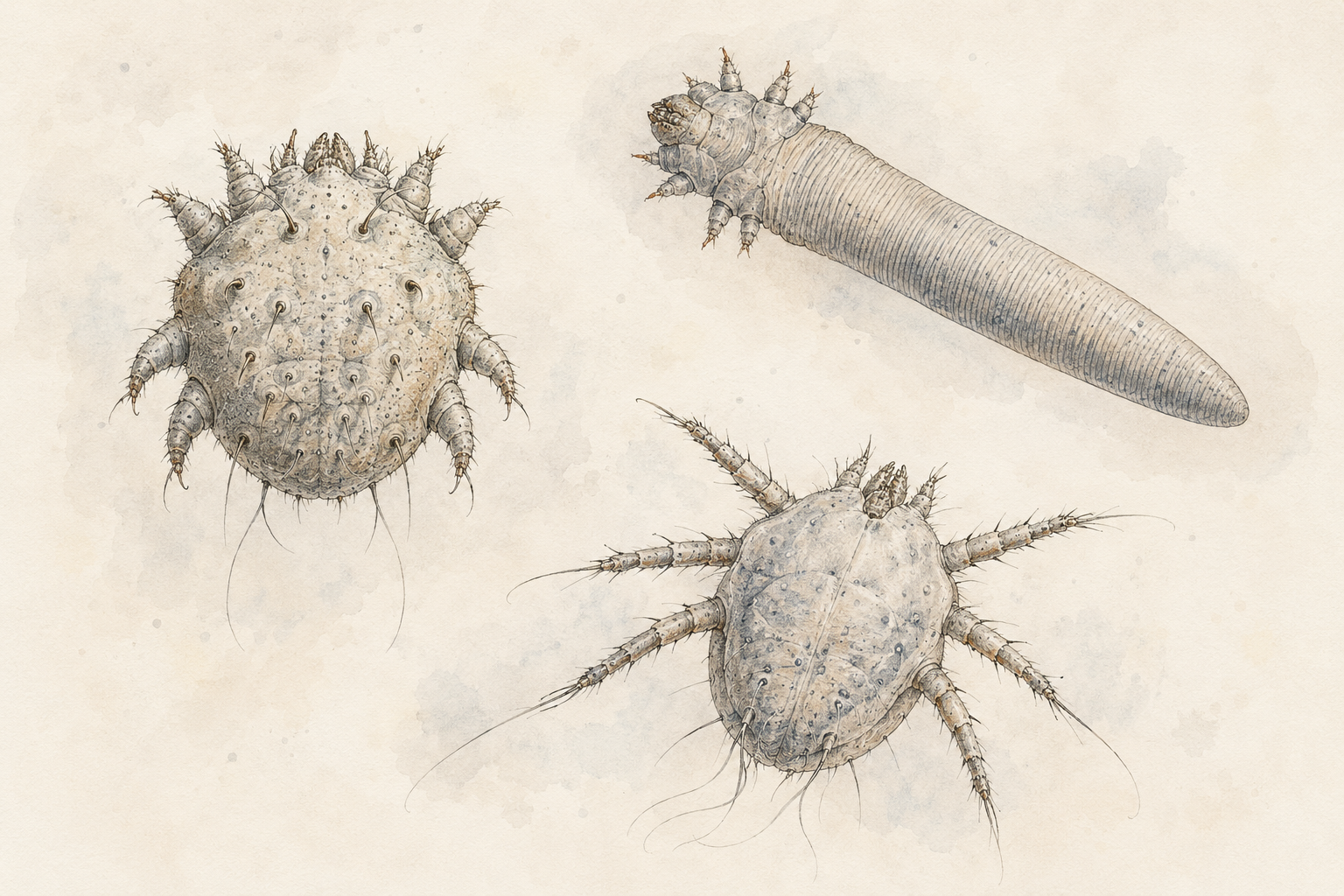
- Other look-alike problems, including mites and nonallergic skin disease.
What might an owner notice?
- Scratching, licking, chewing, face rubbing or hair loss.
- Redness, odor, recurrent ear inflammation or skin sores.
- Seasonal patterns or repeated flares, although year-round disease also occurs.
How is the problem investigated?
- Detailed history, physical examination and review of parasite prevention.
- Skin and ear cytology, flea combing and skin scrapings when indicated.
- A veterinarian-directed diet trial or referral when appropriate; allergy tests do not diagnose environmental allergy on their own.
What might treatment involve?
- Treat identified fleas, mites, infection or other contributing conditions.
- Use species-appropriate itch control and skin-barrier support prescribed by the veterinarian.
- Plan longer-term monitoring rather than repeatedly guessing at a single cause.
This is an overview, not a prescription or a recommendation for a specific individual animal.
What can owners do at home?
- Keep year-round parasite prevention consistent when recommended.
- Record flare timing, diet, grooming products and ear or skin changes.
- Follow recheck plans because infection and allergy often overlap.
Avoid actions that could make care less safe.
- Do not give human medications, leftover prescriptions or supplements without veterinary approval.
- Do not stop, increase, decrease or double prescribed medication without contacting your veterinary team.
- Do not delay assessment if symptoms are worsening, the animal stops eating or an emergency sign appears.
What can the longer-term outlook involve?
Many allergic animals improve substantially with an individualized long-term plan, although recurrent flares may require reassessment.
Can risk be reduced?
- Maintain reliable flea prevention and an individualized skin-care plan.
- Do not introduce multiple new products or foods before discussing how they affect diagnosis.
When should you arrange care?
- Call for persistent itching, skin odor, recurrent ear disease or self-injury.
Seek emergency veterinary care if you notice:
SEEK EMERGENCY VETERINARY CARE- Facial swelling, difficulty breathing, collapse, rapidly spreading hives or severe pain.
Sources behind this guide
American Animal Hospital Association: allergic skin disease guidelinesPrimary veterinary or veterinary-university guidance ↗American Animal Hospital Association veterinary guidelinesPrimary veterinary or veterinary-university guidance ↗Content last reviewed: August 23, 2026. Review status: veterinary-informed; independent veterinarian review not yet completed.